Invented, developed and manufactured in Sweden

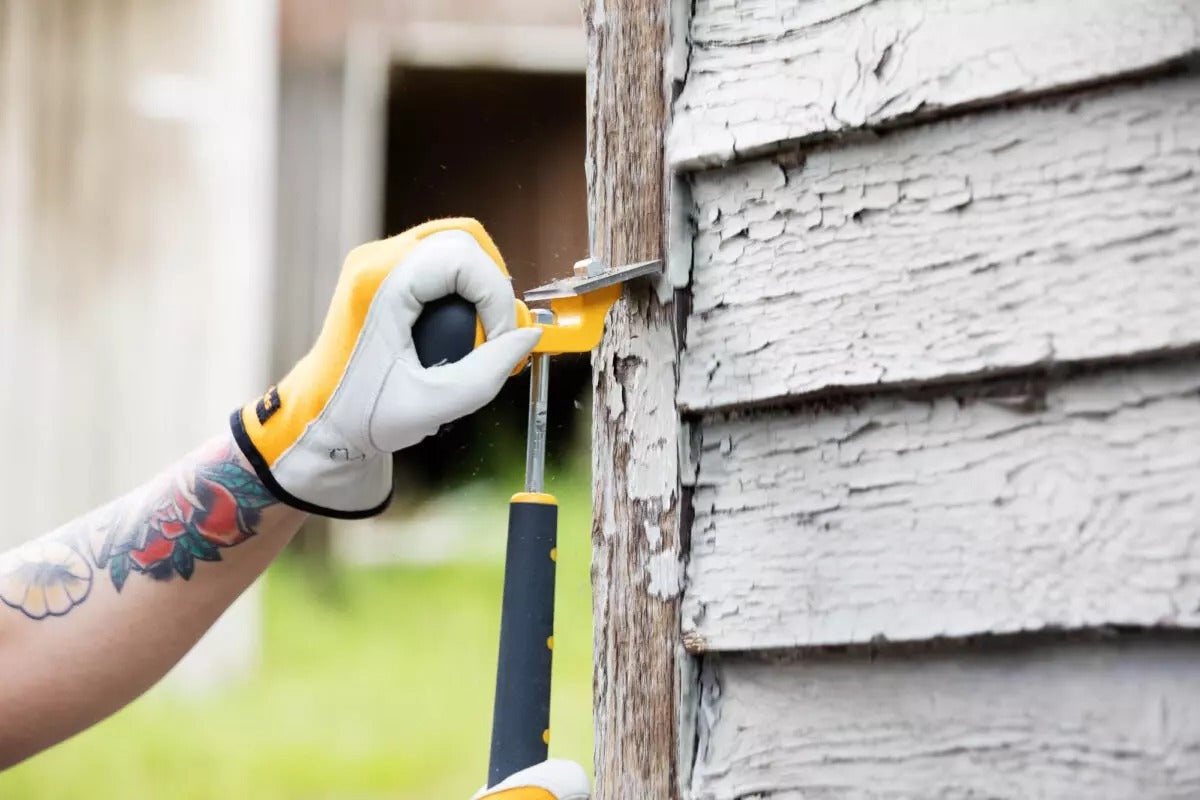
How to remove paint with Speedheater accelerator oil
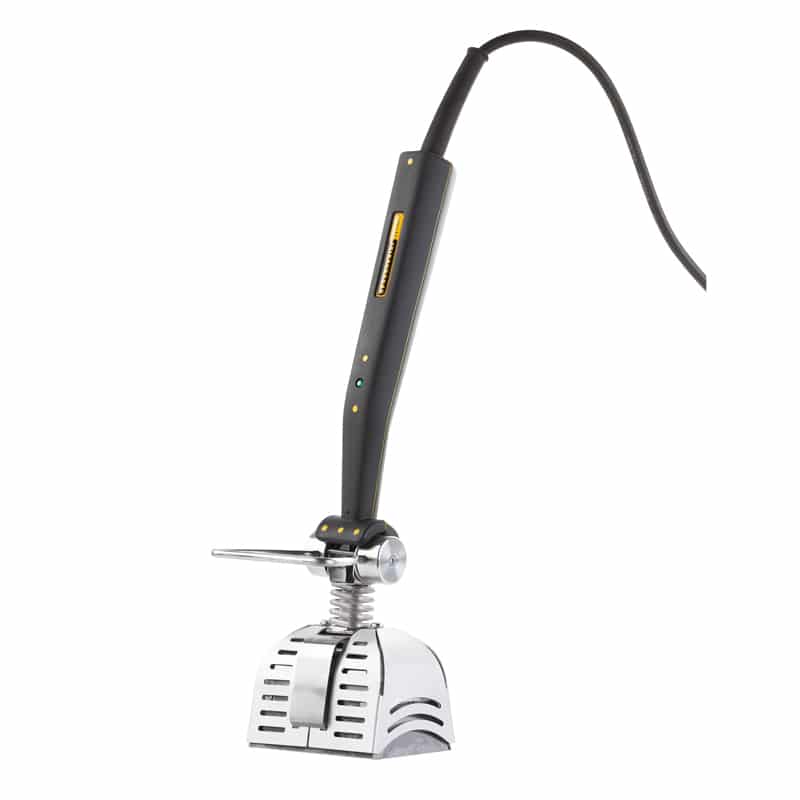
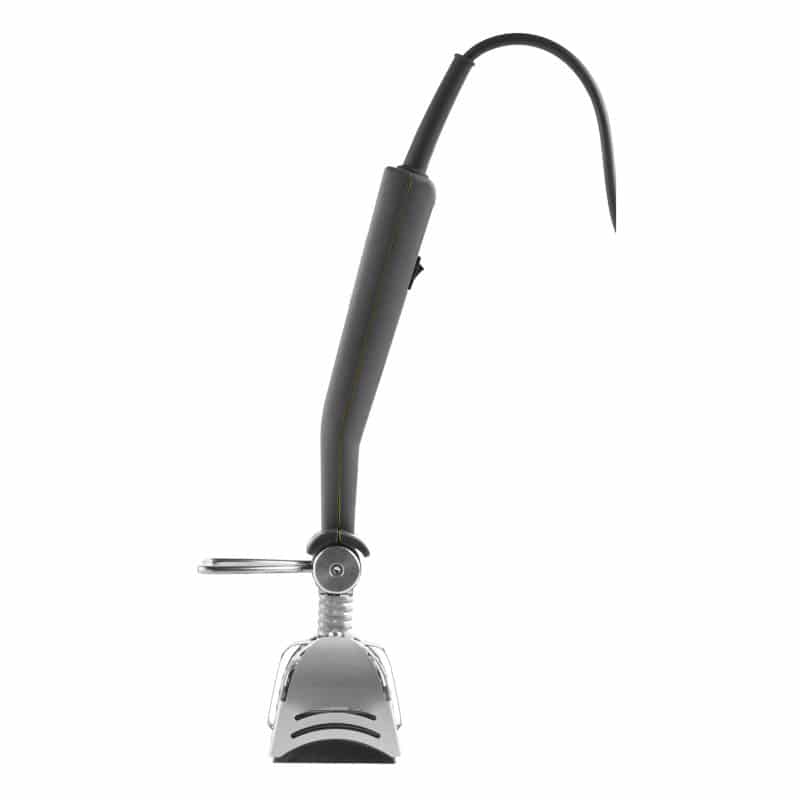
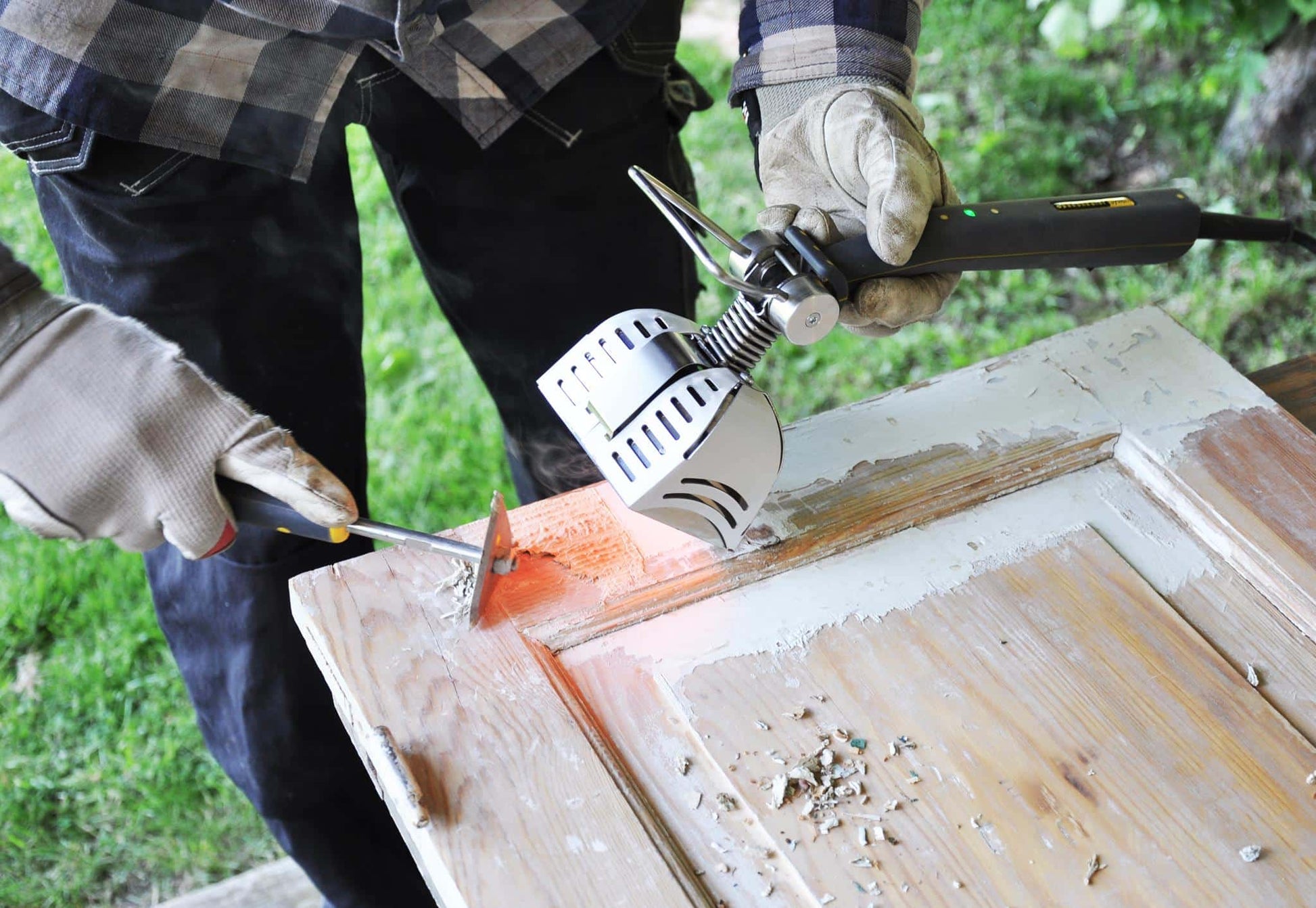
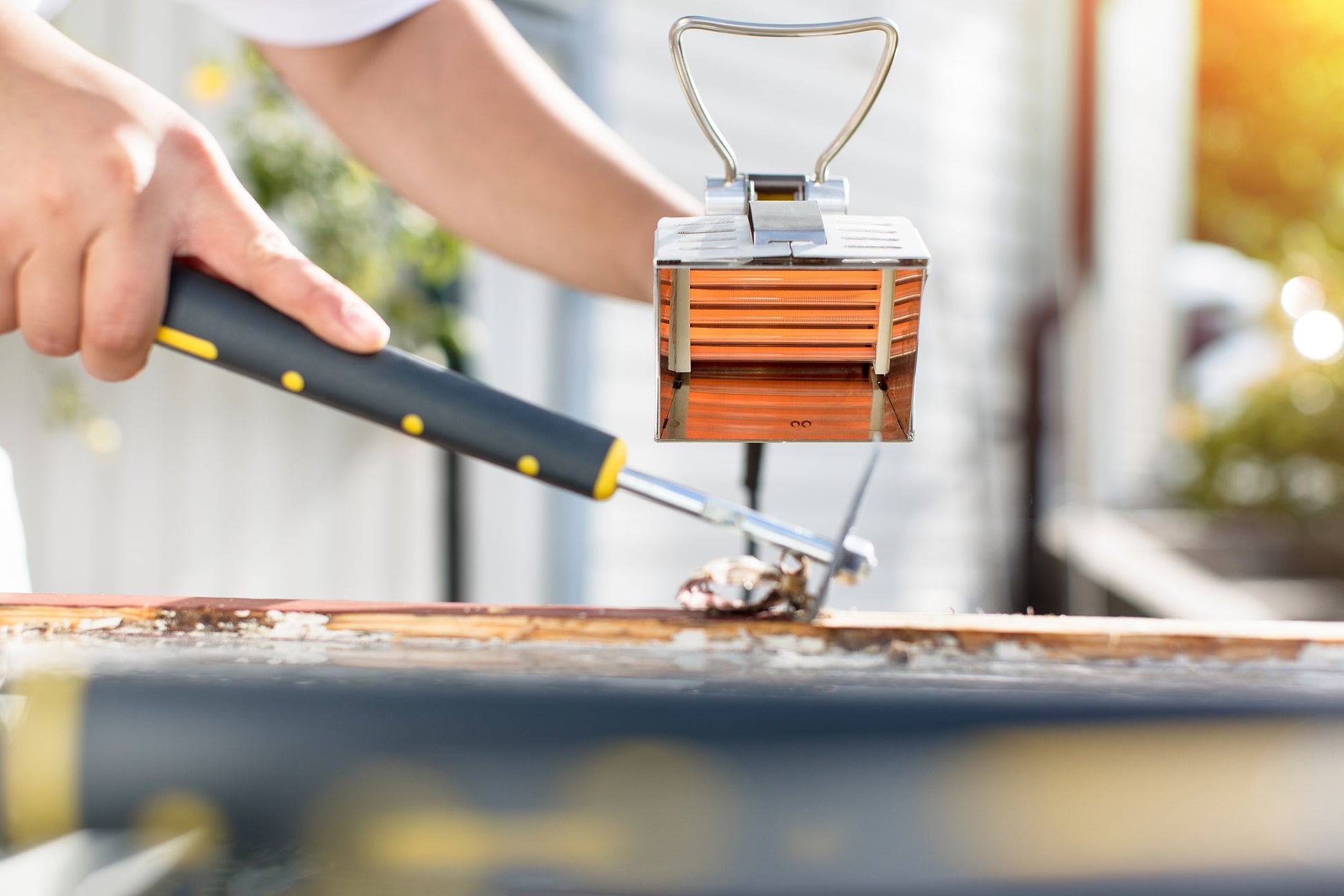
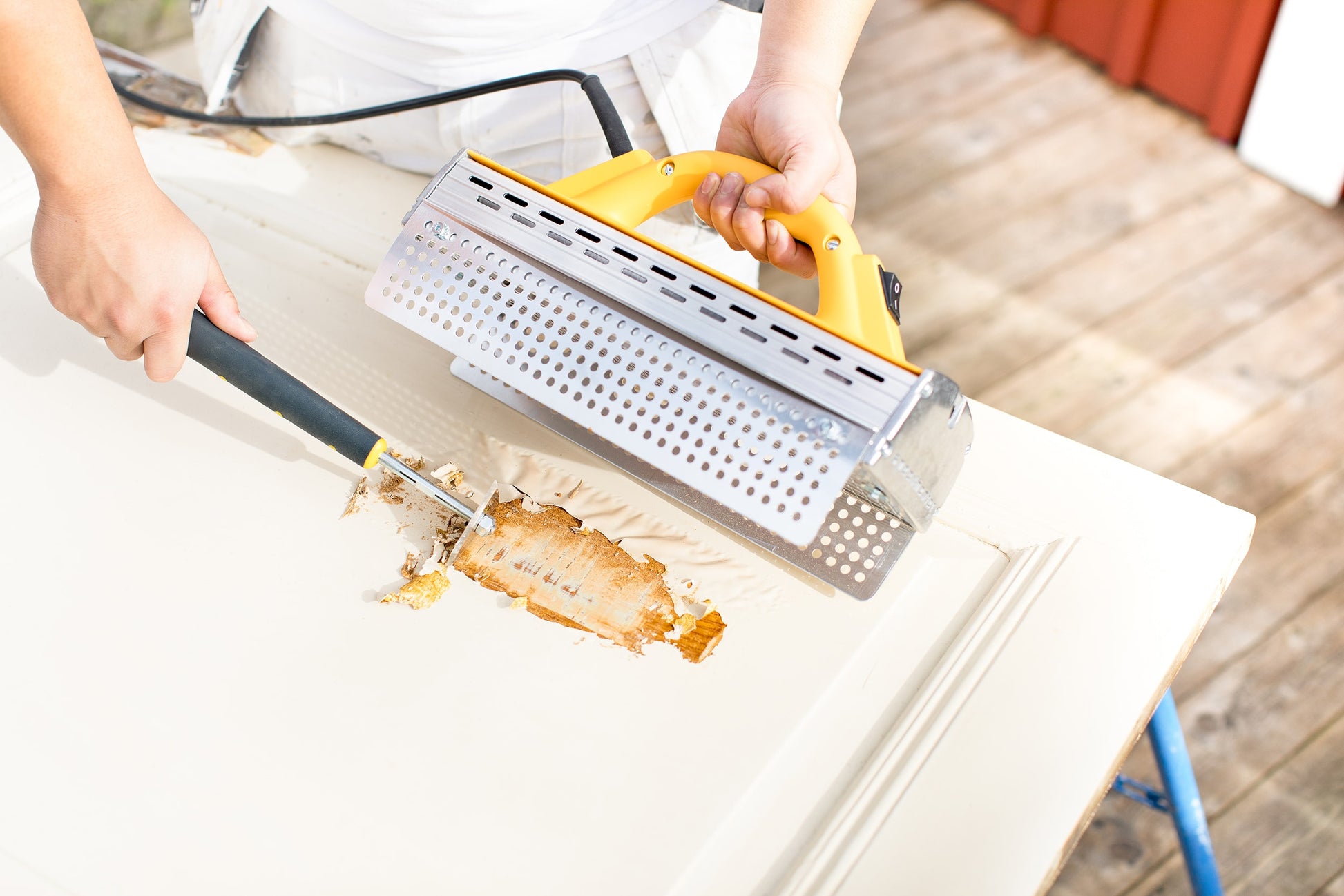
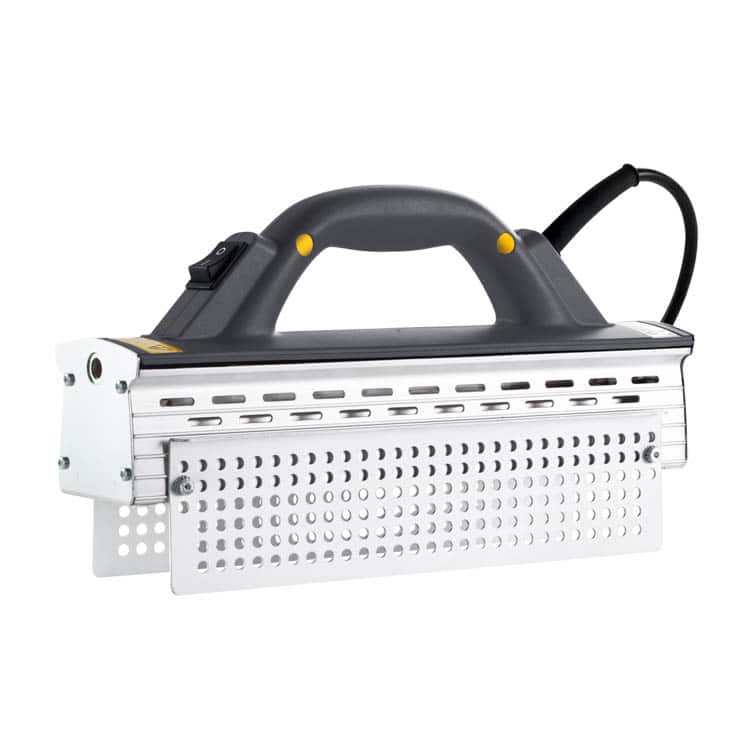
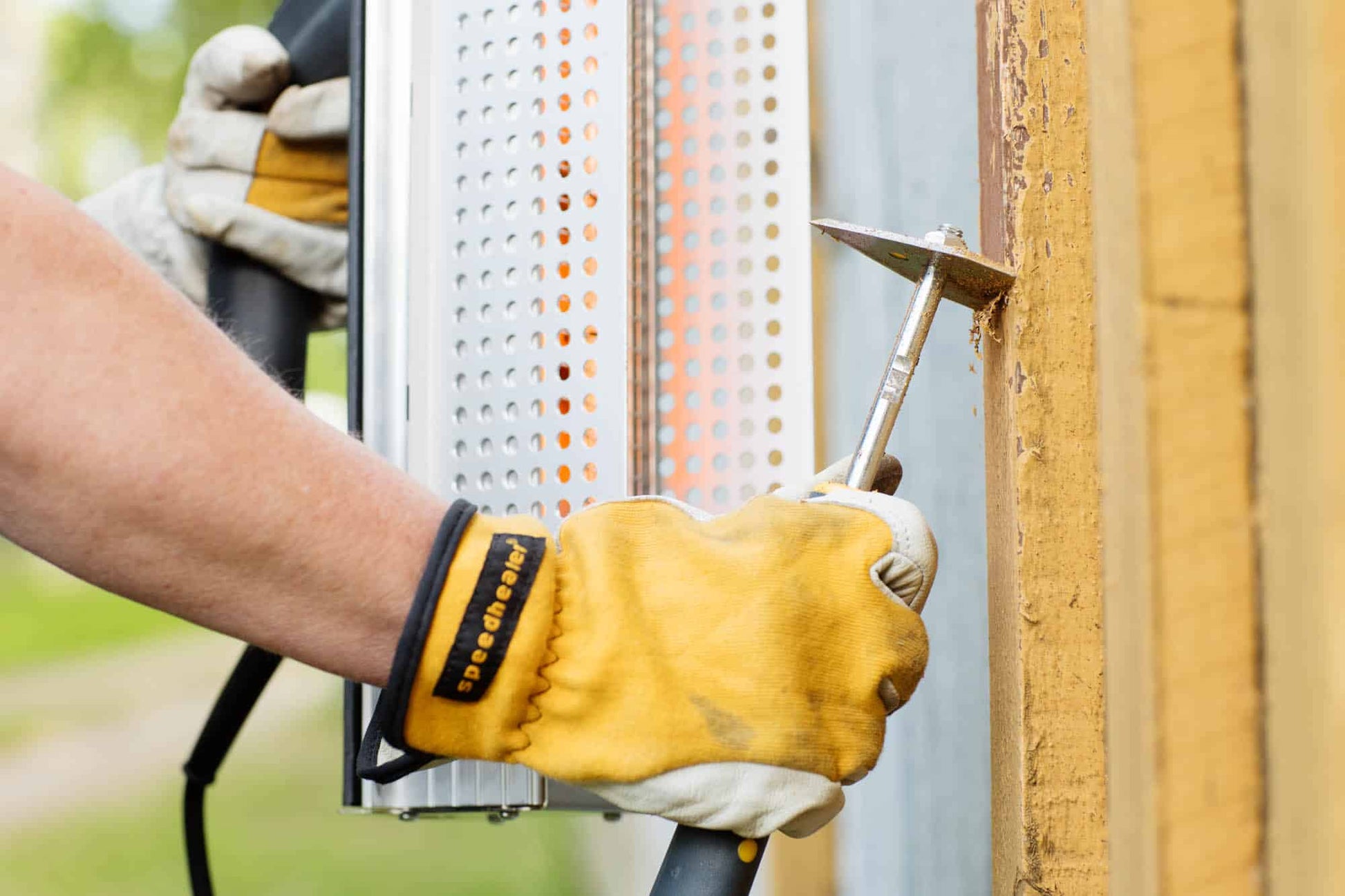
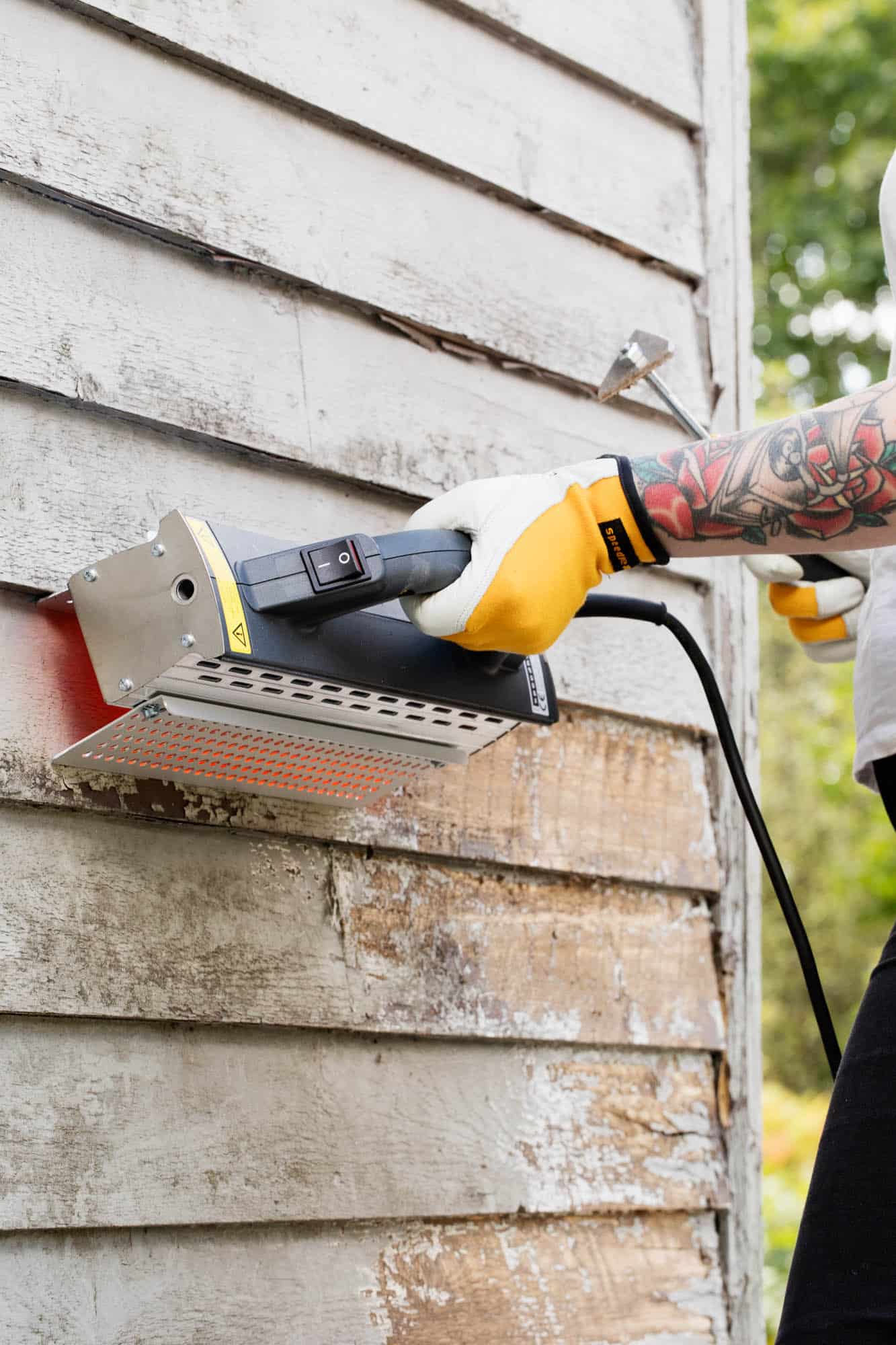
The Speedheater Accelerator Oil is a highly refined linseed oil with extreme penetration capabilities, softening the paint and enabling Speedheater’s infrared beams to lift the paint from the substrate more effectively. With the help of this step, paint removal becomes both more time efficient and less work intensive in the scraping phase. Friendly towards you as the user, the substrate, and the environment.



Why do you need to remove old paint before applying new paint?
While you can, in practice, just keep painting over old paint layers, the result won’t look particularly good and, above all, the paint’s durability will suffer noticeably. This is because old paint tends to crack and flake off. Which means that you’ll have to repaint after a relatively short time. So in the long run, you’ll save time by doing it right from the get go, and your results will be much better to boot.
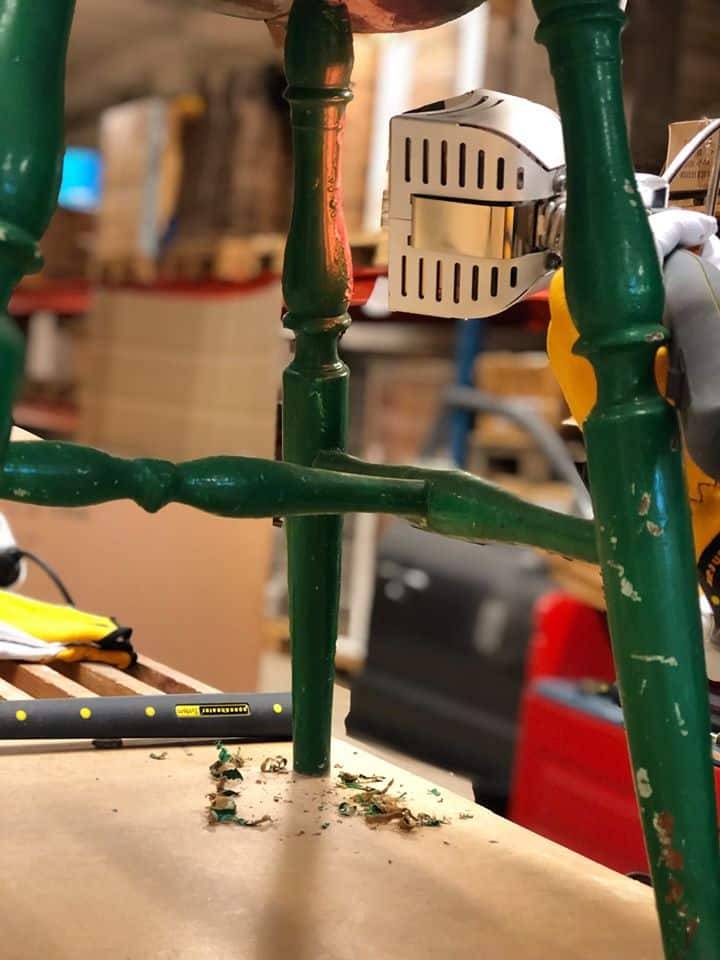
With Speedheater’s infrared beams penetrating all paint layers and allowing you to easily scrape off both varnish and paint, you get to apply paint on a clean wood surface and enjoy a good-looking, durable end result.
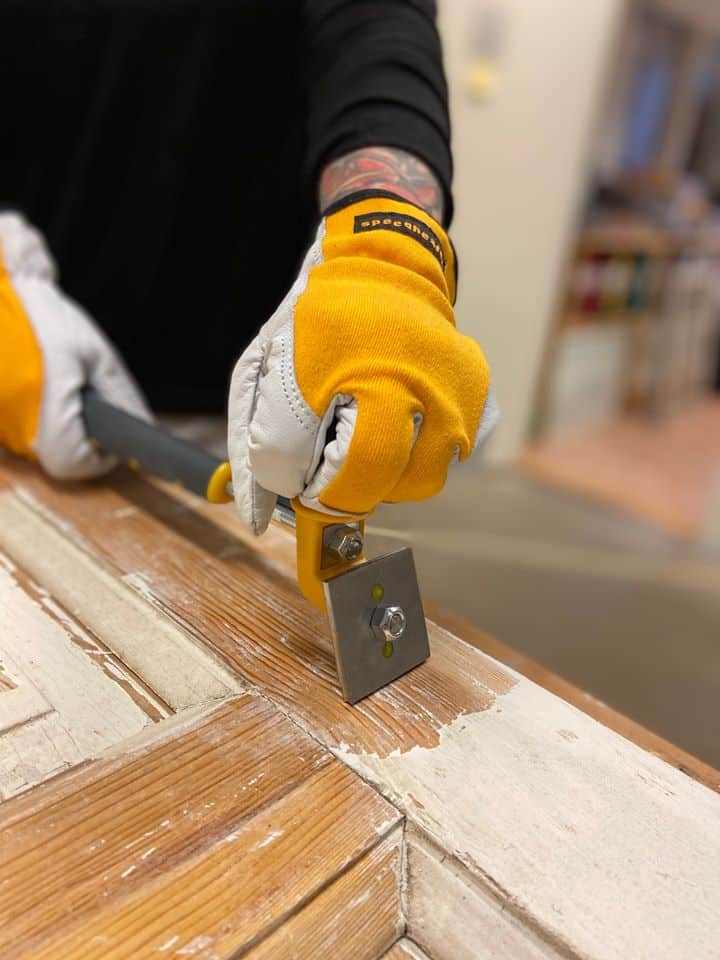
The difference between accelerator oil and paint remover
Does this sound like too many steps for removing paint, and are you maybe thinking whether it wouldn’t be easier to just apply a layer of paint remover and then get scraping? Paint remover works just fine on smaller surfaces and when you only want to remove the topmost layer of paint. Chemical paint remover rarely penetrates more than one paint layer and therefore necessitates much more work if you want to get down to a clean wood surface before repainting. Older chemical paint removers also used to be highly toxic; nowadays they are mostly biodegradable—but do look closely.
Accelerator oil, however, only contains solvent-free linseed oil in refined form, an environmentally friendly method of paint removal. Another big difference is that the oil penetrates all the layers of paint and removes them from the substrate with the help of the IR radiation, meaning that you get rid of all old paint layers in one swoop. So even if it sounds like more steps on paper, accelerator oil combined with infrared heating is a method that can save you both time and energy.
The difference between accelerator oil and paint remover